
So You Want to Become a Freelancer? Here’s What You Should Know
- Jesus Lelis, Jr.

- Nov 23
- 2 min read
Freelancing has never been more accessible—or more appealing. The freedom to choose your projects, set your schedule, and work from wherever you want makes it an attractive path for creatives, developers, consultants, and many others. But freedom comes with responsibility, and thriving as a freelancer requires more than just talent.
Whether you're considering a part-time side gig or a full-time leap, here’s a practical guide to help you start your freelancing journey with confidence.
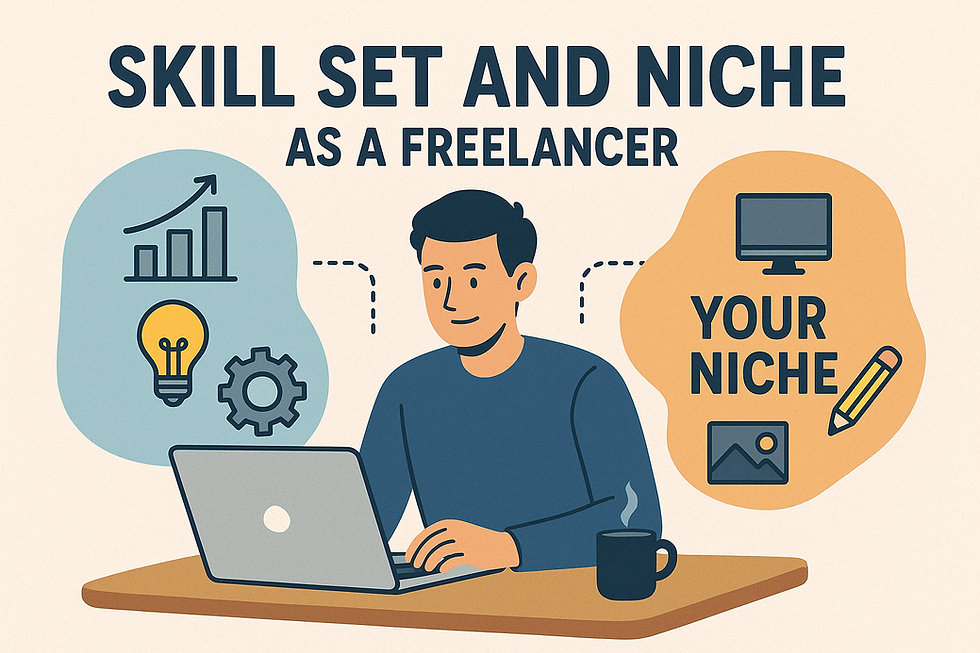
1. Identify Your Skill Set and Niche as a Freelancer
Before jumping in, get crystal clear on what you can offer. Are you a writer, designer, developer, marketer, tutor, consultant, project manager, or something else?
The more specific your niche, the easier it is for clients to find you. For example:
“Graphic designer” → broad
“Brand identity designer for wellness businesses” → targeted
Targeted freelancing often leads to:
Higher rates
Less competition
Clearer messaging
Clients who value your expertise
2. Build a Strong Portfolio
Your portfolio is your storefront. Even if you’re just starting, you can include:
Personal projects
Volunteer work
Case studies
Mock-ups
Past work from previous jobs (if allowed)
Make it clean, compelling, and easy to navigate. A simple website on Notion, Wix, or WordPress is enough to start.
3. Decide on Your Pricing Strategy
Freelancers typically price their work in one of three ways:
Hourly – Good for ongoing tasks
Per project – Ideal when the scope is clear
Retainer – Recurring monthly work (the holy grail)
When starting, research what others in your niche charge. Don’t undersell yourself—you’re building a business, not offering favors. It's normal to adjust your rates as you gain experience.
4. Establish Your Business Basics
Freelancing is not just creative work—it’s administration, too. Make sure you:
Create a simple contract (you can start with templates)
Set up invoicing tools (Wave, PayPal, Stripe, etc.)
Track expenses and payments
Understand your local tax obligations
You don’t need everything figured out on day one, but having structure reduces stress later.
5. Start Finding Clients
Many freelancers start on platforms like:
Upwork
Fiverr
Freelancer
Toptal (for experienced developers/designers)
But some of the best clients come from:
LinkedIn posts
Cold outreach
Referrals
Industry communities and forums
Tip: Don’t wait to feel “ready” before applying to jobs. Real experience is the best training.
6. Learn to Manage Your Time (and Boundaries)
Freelancing gives you freedom, but too much freedom can be overwhelming. Protect your time by:
Setting work hours
Planning your week
Breaking projects into small tasks
Communicating deadlines clearly
Saying “no” when needed
Burnout is common among new freelancers—boundaries are your best defense.
7. Keep Improving Your Skills
The best freelancers stay competitive by:
Learning new tools
Staying updated with industry trends
Investing in courses
Practicing consistently
Your skill is your product—keep upgrading it.
8. Be Patient with Yourself
Most freelancers don’t hit consistent income immediately. The beginning often includes:
Slow months
Rejections
Imposter syndrome
Unpredictable workloads
This is normal. Consistency, professionalism, and patience almost always pay off.
Final Thoughts
Freelancing isn’t just a job—it’s a journey of self-management, creativity, learning, and independence. If you're prepared to grow, adapt, and step outside your comfort zone, freelancing can offer a rewarding, flexible way to earn a living on your own terms.
Start small. Stay consistent. Keep improving. Your freelance future is waiting.


Comments